Blog

  • How to Find Doctors for Rare Diseases: A Practical Guide for Patients and Families

    Living with a rare disease can be challenging, and finding the right doctor is often one of the biggest hurdles. Because rare diseases affect relatively small numbers of people, many general practitioners may have limited experience diagnosing or treating them. Patients frequently visit multiple healthcare providers before receiving an accurate diagnosis, leading to delays in treatment and increased emotional stress.

    Fortunately, advances in medical research, digital health platforms, and specialised referral networks are making it easier for patients to connect with experts. Knowing where to look and how to prepare can significantly improve your chances of finding the right specialist.

    Start With Your Family Doctor

    Your family physician or primary care doctor should be your first point of contact. They can evaluate your symptoms, order initial tests, and refer you to the appropriate specialist.

    A detailed referral letter containing your medical history, laboratory reports, imaging results, and previous treatments can help specialists understand your condition more quickly and avoid unnecessary repeat testing.

    Visit Specialised Medical Centres

    Many rare diseases are managed at tertiary care hospitals and academic medical centres where multidisciplinary teams work together.

    These centres often include experts in:

    • Genetics
    • Neurology
    • Immunology
    • Endocrinology
    • Oncology
    • Metabolic disorders
    • Paediatric medicine

    Large teaching hospitals are also more likely to participate in research studies and clinical trials for rare diseases.

    Use Official Rare Disease Networks

    Many countries have established rare disease registries and referral networks that help patients locate experienced clinicians.

    These organisations often provide:

    • Lists of specialist hospitals.
    • Expert physician directories.
    • Patient support services.
    • Information about ongoing research.
    • Clinical trial opportunities.

    Government health departments and recognised rare disease organisations are generally the most reliable sources of this information.

    Consider Genetic Evaluation

    Thousands of rare diseases have a genetic cause. If your doctor suspects a hereditary condition, they may recommend consultation with a clinical geneticist or genetic counsellor.

    Modern genetic testing, including next-generation sequencing, can identify disease-causing mutations that were difficult to detect just a few years ago. An accurate genetic diagnosis can help guide treatment decisions and provide important information for family members.

    Gather Your Medical Records

    Before visiting a specialist, organise all relevant medical documents in one place.

    Important records include:

    • Previous consultation notes.
    • Blood test reports.
    • Imaging scans.
    • Biopsy results.
    • Medication history.
    • Family medical history.
    • Symptom timeline.

    Having complete records helps specialists make faster and more informed decisions.

    Seek a Second Opinion

    Rare diseases are often difficult to diagnose, and symptoms may overlap with more common conditions. If your diagnosis remains uncertain or your symptoms continue despite treatment, seeking a second opinion from another specialist can be valuable.

    Many leading hospitals now offer virtual consultations, allowing patients to obtain expert opinions without travelling long distances.

    Join Patient Support Groups

    Patient organisations can provide practical advice that extends beyond medical treatment.

    Support groups often help patients:

    • Find experienced specialists.
    • Learn about new therapies.
    • Connect with families facing similar conditions.
    • Access educational resources.
    • Understand available financial assistance.

    While patient experiences can be helpful, medical decisions should always be made in consultation with qualified healthcare professionals.

    Ask the Right Questions

    During your appointment, consider asking questions such as:

    • How much experience do you have treating this condition?
    • What additional tests are needed?
    • Are there any specialised treatment centres?
    • What treatment options are available?
    • Should I consider genetic testing?
    • Are there clinical trials that may be appropriate?

    Taking written notes or bringing a family member can help you remember important information discussed during the consultation.

    Don’t Ignore Research Opportunities

    Many rare diseases have limited treatment options, but clinical research continues to advance rapidly.

    Patients who meet eligibility criteria may have opportunities to participate in clinical trials evaluating new medicines, gene therapies, or innovative treatment approaches. Your specialist can advise whether research participation is appropriate for your condition.

    A Team Approach Makes the Difference

    Managing a rare disease often requires care from multiple healthcare professionals rather than a single doctor. Depending on the condition, your care team may include specialists, nurses, physiotherapists, nutritionists, psychologists, genetic counsellors, and rehabilitation experts.

    Although finding the right specialist can take time, early referral, organised medical records, and access to recognised expert centres can greatly improve the chances of receiving an accurate diagnosis and appropriate treatment. With growing awareness, expanding genetic testing, and stronger rare disease networks, patients today have more resources than ever to navigate the complex journey of rare disease care.

  • Can AI Replace Your Family Doctor? Experts Say Not Yet

    Artificial intelligence (AI) is rapidly changing healthcare, from interpreting X-rays and analysing blood tests to helping doctors diagnose diseases more quickly. AI-powered chatbots and symptom checkers are also becoming increasingly popular, allowing people to receive health information within seconds. As these technologies become more advanced, an important question is emerging: Can AI replace your family doctor?

    Most healthcare experts agree that while AI is becoming an invaluable medical tool, it cannot replace the knowledge, judgment, and human connection provided by a qualified physician. Instead, AI is expected to work alongside doctors, helping them make faster and more accurate clinical decisions while allowing patients to receive more personalised care.

    How AI Is Changing Healthcare

    AI systems can process enormous amounts of medical information in just a few seconds. They are trained using millions of medical records, scientific studies, diagnostic images, and clinical guidelines to recognise patterns that may indicate disease.

    Today, AI is already being used to:

    • Analyse X-rays, CT scans, and MRI images.
    • Detect early signs of cancer.
    • Predict the risk of heart disease.
    • Assist in diagnosing rare conditions.
    • Summarise patient records.
    • Support doctors with treatment recommendations.

    Many hospitals around the world are also using AI to improve workflow, reduce paperwork, and help doctors spend more time with patients.

    What AI Does Well

    Artificial intelligence excels at handling repetitive, data-intensive tasks.

    Its strengths include:

    • Rapid analysis of large datasets.
    • Identifying subtle patterns in medical images.
    • Comparing symptoms with medical databases.
    • Providing clinical decision support.
    • Monitoring patients remotely through wearable devices.
    • Reducing administrative workload.

    AI can often identify abnormalities that might otherwise be overlooked, making it a valuable assistant in radiology, pathology, ophthalmology, and dermatology.

    Where Human Doctors Remain Essential

    Despite its impressive capabilities, AI has important limitations.

    A family doctor does far more than diagnose illnesses. During a consultation, physicians consider a patient’s medical history, lifestyle, emotional well-being, family circumstances, and personal preferences before recommending treatment.

    Doctors also perform physical examinations, recognise non-verbal cues, communicate difficult diagnoses with empathy, and make complex decisions when medical situations do not fit textbook patterns.

    These human skills cannot currently be replicated by AI systems.

    The Importance of Trust

    For many patients, a family doctor is more than a healthcare provider—they are a trusted adviser who understands years of medical history and personal circumstances.

    Doctors often notice subtle changes in a patient’s health over time, identify warning signs that may not appear in laboratory reports, and provide reassurance during stressful situations.

    Building this long-term relationship requires empathy, communication, and trust, qualities that remain uniquely human.

    Risks of Relying Only on AI

    Although AI can provide useful health information, experts warn against using it as a substitute for professional medical care.

    Potential concerns include:

    • Incorrect or incomplete advice.
    • Misinterpretation of symptoms.
    • Limited understanding of complex medical conditions.
    • Privacy and data security issues.
    • Bias in AI training data.
    • Lack of accountability for medical decisions.

    An AI system may generate a reasonable suggestion, but it cannot independently confirm a diagnosis or prescribe treatment without appropriate clinical evaluation.

    AI as a Medical Assistant

    Most experts believe the future of healthcare is not “AI versus doctors” but “AI with doctors.”

    AI can help physicians by:

    • Flagging possible diagnoses.
    • Prioritising urgent cases.
    • Suggesting evidence-based treatments.
    • Monitoring chronic diseases.
    • Reducing documentation time.
    • Supporting preventive healthcare.

    This collaboration allows doctors to focus more on patient care while AI handles routine analytical tasks.

    What Patients Should Know

    Patients should view AI as an additional source of information rather than a replacement for medical advice.

    AI tools can be useful for:

    • Understanding general health conditions.
    • Preparing questions before a medical appointment.
    • Learning about medications.
    • Tracking symptoms.
    • Receiving reminders for preventive care.

    However, persistent symptoms, severe illness, or medical emergencies always require evaluation by a qualified healthcare professional.

    The Future of Healthcare

    Artificial intelligence will continue to transform medicine through faster diagnosis, improved disease prediction, and more personalised treatment. As technology advances, AI is expected to become an increasingly powerful clinical support tool in hospitals and primary care settings.

    However, healthcare is about much more than analysing data. Compassion, ethical judgment, communication, and understanding a patient’s individual needs remain at the heart of good medical practice. While AI can enhance the work of family doctors and improve healthcare delivery, it cannot replace the trust, experience, and human connection that physicians provide. The future of medicine is likely to be one where AI and doctors work together, combining technological precision with compassionate patient care to achieve the best possible outcomes.

  • Does India Really Need GLP-1 Drugs? Experts Call for Balanced Use

    The arrival of GLP-1 weight-loss drugs such as semaglutide and tirzepatide has transformed obesity treatment worldwide, and India is no exception. These medicines can help people lose significant weight while improving blood sugar control and reducing the risk of obesity-related diseases. However, as their popularity grows, doctors and public health experts are asking an important question: Does India really need GLP-1 drugs, or should prevention remain the priority?

    Medical experts say the answer is not a simple yes or no. While GLP-1 medications can be life-changing for selected patients with obesity or type 2 diabetes, they are not intended to replace healthy eating, regular exercise, or broader public health measures. (The Indian Express)

    What Are GLP-1 Drugs?

    GLP-1 receptor agonists are medicines originally developed to treat type 2 diabetes. They work by mimicking a natural hormone that helps regulate blood sugar, slows stomach emptying, and increases feelings of fullness.

    Popular GLP-1 medicines include:

    • Semaglutide
    • Tirzepatide

    Clinical studies have shown these medications can help many patients lose 15–20% of their body weight when combined with lifestyle changes. They have also demonstrated benefits in improving blood sugar control and reducing the risk of cardiovascular disease in appropriate patients. (The Indian Express)

    India’s Obesity Challenge

    India is experiencing a rapid rise in obesity among both adults and children. According to recent estimates, millions of Indians are now overweight or obese, increasing their risk of diabetes, heart disease, fatty liver disease, and hypertension.

    The problem is particularly concerning because many Indians develop metabolic diseases at lower body mass index (BMI) levels than Western populations. This means even moderate weight gain can significantly increase health risks. (The Times of India)

    Who Actually Needs These Medicines?

    Doctors emphasise that GLP-1 drugs are not meant for people who simply want to lose a few kilograms for cosmetic reasons.

    They are generally recommended for:

    • Adults with obesity.
    • People with obesity-related medical conditions.
    • Patients with type 2 diabetes who may benefit from additional weight loss.
    • Individuals who have not achieved adequate results through diet and exercise alone.

    Treatment decisions should always be made by qualified medical specialists after evaluating a patient’s overall health. (Press Information Bureau)

    Benefits Beyond Weight Loss

    The appeal of GLP-1 drugs extends beyond reducing body weight.

    Research suggests these medicines may also:

    • Improve blood sugar control.
    • Lower blood pressure.
    • Reduce visceral fat.
    • Improve insulin sensitivity.
    • Reduce the risk of heart attacks and strokes in eligible patients.

    These broader metabolic benefits have made GLP-1 drugs one of the biggest advances in obesity medicine over the past decade. (Marie Claire UK)

    Challenges and Safety Concerns

    Despite their effectiveness, GLP-1 drugs are not suitable for everyone.

    Common side effects include:

    • Nausea.
    • Vomiting.
    • Diarrhoea.
    • Constipation.
    • Loss of appetite.

    More serious but less common risks include pancreatitis, kidney injury, bowel obstruction, and other complications. Rapid weight loss may also contribute to muscle loss if patients do not maintain adequate nutrition and physical activity. Some regulators have also highlighted rare safety concerns that continue to be monitored. (Press Information Bureau)

    India Strengthens Oversight

    With increasing demand for weight-loss medicines, Indian health authorities have tightened regulatory oversight.

    The Drug Controller General of India (DCGI) has instructed manufacturers to stop misleading advertisements and has intensified inspections of pharmacies, online sellers, wholesalers, and weight-loss clinics to prevent unauthorised sales and inappropriate prescribing.

    Officials have stressed that GLP-1 medicines should only be dispensed on a valid prescription and under medical supervision. (Press Information Bureau)

    Prevention Must Remain the Priority

    Many public health experts believe that while GLP-1 drugs are valuable for selected patients, they cannot solve India’s obesity epidemic on their own.

    Long-term progress will still depend on:

    • Healthier diets.
    • Regular physical activity.
    • Better nutrition education.
    • Reduced consumption of ultra-processed foods.
    • Strong public health programmes.

    Experts caution that relying too heavily on expensive medicines could divert attention from preventive strategies that benefit the wider population. (The Indian Express)

    A Balanced Path Forward

    GLP-1 drugs represent an important breakthrough in treating obesity and type 2 diabetes, offering meaningful health benefits for people who genuinely need them. However, experts agree they should be viewed as one part of a comprehensive treatment plan rather than a quick solution for weight loss.

    For India, where obesity and diabetes are rising rapidly alongside persistent nutritional challenges, the most effective strategy is likely to combine responsible use of GLP-1 medicines with stronger prevention programmes, healthier lifestyles, and careful medical supervision. This balanced approach can help maximise patient benefits while ensuring that obesity is addressed as both a medical condition and a broader public health challenge. (The Indian Express)

  • Obesity Crisis Hits Indian Children as Cases Rise Sharply

    India is facing a growing childhood obesity crisis, with new data showing that millions of children are now overweight or living with obesity. According to the World Obesity Atlas 2026, nearly 4.1 crore (41 million) Indian children are overweight or obese, placing the country among the world’s most affected nations. In response, the Indian Council of Medical Research (ICMR) has released a policy roadmap calling for stronger action to improve children’s diets and create healthier food environments. (The Times of India)

    Health experts warn that if the trend continues, India could see a sharp increase in childhood diabetes, high blood pressure, heart disease, and other non-communicable diseases at much younger ages.

    Alarming Rise in Childhood Obesity

    The latest estimates indicate that childhood obesity is no longer limited to large cities or affluent families. Changing lifestyles, increased consumption of processed foods, and reduced physical activity have contributed to rising obesity rates across urban and rural India.

    The World Obesity Atlas 2026 estimates that around 41 million Indian children and adolescents are currently overweight or obese. This growing burden has prompted policymakers to consider stronger public health measures aimed at protecting children’s health. (The Times of India)

    What’s Driving the Crisis

    Doctors say several lifestyle changes are fueling the obesity epidemic among children.

    Major contributing factors include:

    • Frequent consumption of junk food and sugary drinks.
    • Increased screen time on smartphones, tablets, and televisions.
    • Reduced outdoor play and physical activity.
    • Easy access to ultra-processed foods.
    • Aggressive marketing of unhealthy foods to children.

    Many children also spend long hours studying indoors or attending coaching classes, leaving less time for exercise and recreational sports.

    Health Risks Begin Early

    Childhood obesity affects much more than body weight. Excess weight during childhood can increase the risk of developing serious health conditions later in life.

    These include:

    • Type 2 diabetes.
    • High blood pressure.
    • Fatty liver disease.
    • High cholesterol.
    • Sleep disorders.
    • Joint and bone problems.
    • Mental health issues such as anxiety and low self-esteem.

    Children with obesity are also more likely to remain obese as adults, increasing their lifetime risk of cardiovascular disease.

    ICMR Recommends Stronger Policies

    To address the growing problem, the ICMR-National Institute of Nutrition (ICMR-NIN) has proposed several policy measures to promote healthier eating habits among children.

    Key recommendations include:

    • Making unhealthy junk food more expensive through taxation.
    • Introducing clearer front-of-pack nutrition labels.
    • Restricting advertising of unhealthy foods aimed at children.
    • Strengthening nutrition standards in school canteens.
    • Creating healthier food environments in schools and communities.

    The recommendations are part of a broader strategy to encourage healthier diets and reduce obesity-related diseases among children and adolescents. (The Economic Times)

    Parents Play a Key Role

    Health experts emphasise that families can make a significant difference by encouraging healthier daily habits.

    Simple steps include:

    • Serving balanced home-cooked meals.
    • Limiting sugary beverages and packaged snacks.
    • Encouraging at least one hour of physical activity each day.
    • Reducing recreational screen time.
    • Promoting adequate sleep and regular meal timings.

    Schools can also contribute by providing nutritious meals, encouraging sports participation, and promoting health education.

    Building a Healthier Future

    The rising number of overweight and obese children highlights an urgent public health challenge for India. While improved awareness and healthier lifestyle choices remain essential, experts say long-term success will also depend on stronger government policies, responsible food marketing, and supportive school environments.

    With nearly 4.1 crore children already affected, early intervention is critical. By combining healthier diets, increased physical activity, and evidence-based public health measures, India has an opportunity to slow the obesity epidemic and protect the health of future generations. (The Times of India)

  • Vitamin D Deficiency in Young India: Why a Sunny Country Faces a Silent Health Crisis

    Vitamin D Deficiency in Young India: Why a Sunny Country Faces a Silent Health Crisis

    Despite receiving abundant sunshine throughout the year, India is witnessing a growing epidemic of vitamin D deficiency, especially among teenagers and young adults. Health experts say modern lifestyles, prolonged indoor work, excessive screen time, air pollution, and poor dietary habits have created a paradox where millions of young Indians are deficient in the “sunshine vitamin.”

    Recent medical experts, including endocrinologists from AIIMS Delhi, have warned that vitamin D deficiency is becoming increasingly common even among otherwise healthy young people. The condition often goes unnoticed because its symptoms are subtle and can easily be mistaken for stress or fatigue. (The Times of India)

    Why Young Indians Are at Risk

    Vitamin D is produced naturally when the skin is exposed to ultraviolet B (UVB) rays from sunlight. However, today’s lifestyle has dramatically reduced daily sun exposure.

    Many young people spend most of their day:

    • Working in offices.
    • Attending online classes.
    • Studying indoors.
    • Using computers and smartphones.
    • Travelling in enclosed vehicles.

    Even when outdoors, sunscreen use, pollution, and clothing that covers most of the body can reduce vitamin D production. People with darker skin also require longer sun exposure because higher melanin levels naturally reduce UVB absorption. (The Times of India)

    Common Symptoms Often Ignored

    Vitamin D deficiency usually develops gradually, making it difficult to recognize in its early stages.

    Some of the most common symptoms include:

    • Constant tiredness.
    • Muscle weakness.
    • Bone or back pain.
    • Joint discomfort.
    • Frequent infections.
    • Low mood.
    • Poor concentration.

    In severe cases, prolonged deficiency may weaken bones and increase the risk of fractures or osteoporosis later in life. Doctors note that many young patients seek treatment only after symptoms begin affecting their daily activities. (The Times of India)

    More Than Just Bone Health

    Although vitamin D is widely known for supporting calcium absorption and maintaining strong bones, its role extends far beyond the skeletal system.

    Research suggests vitamin D contributes to:

    • Healthy muscle function.
    • Immune system regulation.
    • Normal nerve function.
    • Bone development.
    • Overall physical well-being.

    Scientists continue to study its relationship with other health conditions, but maintaining adequate vitamin D levels remains an important part of overall health. (Wikipedia)

    Why Sunshine Alone Is Not Enough

    Many people assume that living in a tropical country automatically prevents vitamin D deficiency. However, experts say that simply having sunlight available is not sufficient.

    Several factors limit natural vitamin D production, including:

    • Indoor lifestyles.
    • Air pollution blocking UVB rays.
    • Spending peak daylight hours inside.
    • Limited outdoor physical activity.
    • Higher skin pigmentation.

    Doctors recommend regular outdoor activity rather than relying solely on dietary supplements. Moderate sunlight exposure during appropriate daytime hours remains one of the most effective natural sources of vitamin D. (The Times of India)

    Foods That Support Vitamin D Levels

    Although food alone usually cannot provide enough vitamin D, certain foods can help improve overall intake.

    These include:

    • Fatty fish such as salmon and mackerel.
    • Egg yolks.
    • Fortified milk.
    • Fortified cereals.
    • Fortified dairy products.
    • Mushrooms exposed to UV light.

    For individuals with confirmed deficiency, doctors may recommend vitamin D supplements after appropriate blood testing. Self-medication with high-dose supplements should be avoided because excessive vitamin D intake can be harmful. (The Times of India)

    Importance of Early Testing

    Because symptoms are often vague, many people remain unaware they have low vitamin D levels. A simple blood test measuring serum 25-hydroxyvitamin D can help diagnose deficiency.

    Healthcare professionals generally advise testing for people who experience persistent fatigue, unexplained muscle pain, recurrent bone discomfort, or who have limited sun exposure due to their lifestyle or occupation. (Wikipedia)

    Building Healthier Habits

    Preventing vitamin D deficiency requires a combination of healthy lifestyle choices rather than supplements alone. Experts recommend spending regular time outdoors, maintaining a balanced diet, staying physically active, and seeking medical advice if symptoms persist.

    As urban lifestyles continue to evolve, awareness about vitamin D has become increasingly important. Addressing this silent nutritional deficiency early can help protect bone health, improve physical well-being, and support a healthier future for India’s younger population. (The Times of India)

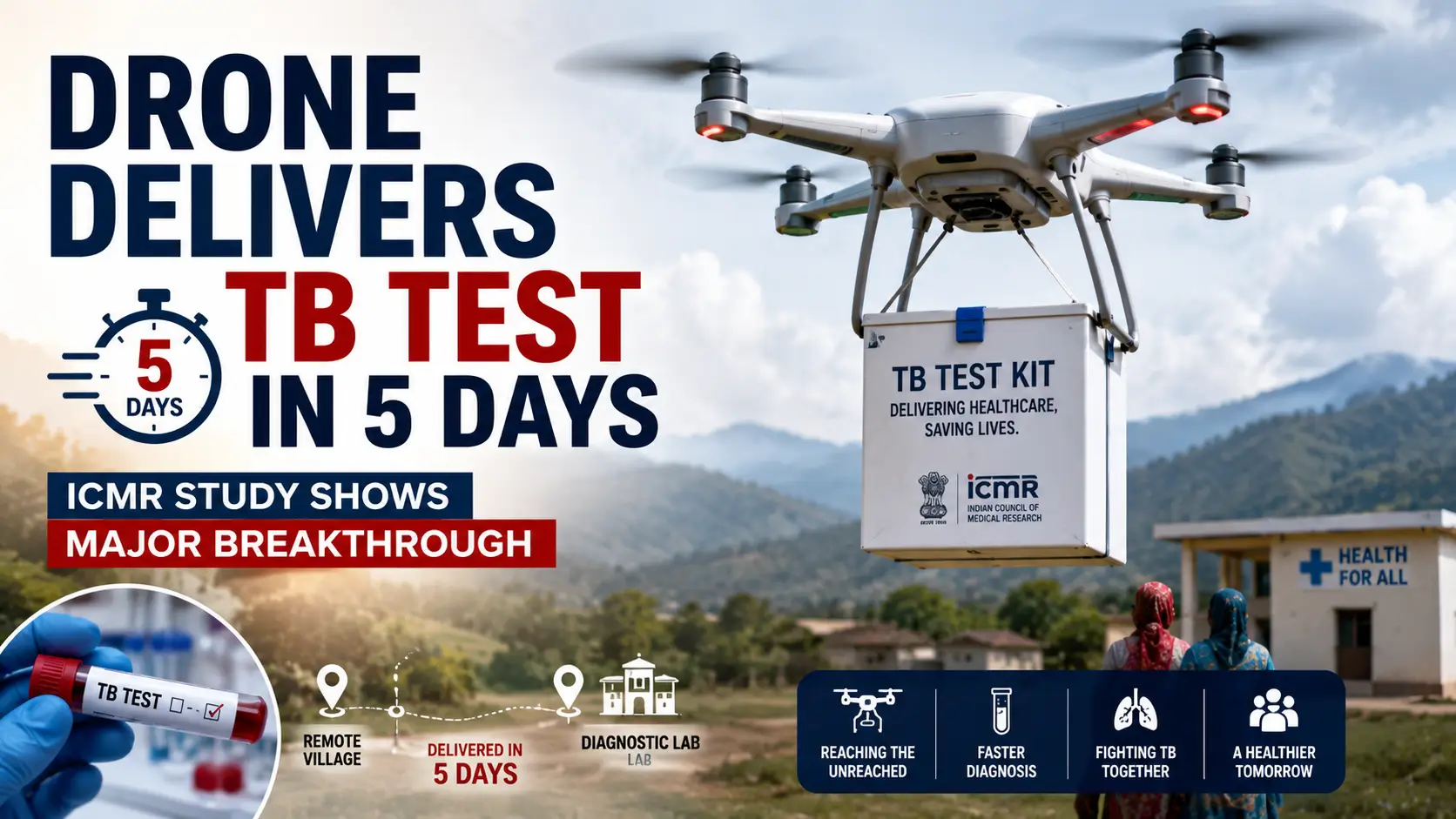
  • Drone Delivers TB Test in 5 Days: ICMR Study Shows Major Breakthrough

    Drone Delivers TB Test in 5 Days: ICMR Study Shows Major Breakthrough

    India’s fight against tuberculosis (TB) has received a major technological boost after a new study by the Indian Council of Medical Research (ICMR) found that drones can dramatically speed up TB diagnosis in remote areas. Under the flagship i-DRONE initiative, researchers demonstrated that transporting sputum samples by drone reduced the median time required for TB diagnosis from 15 days to just 5 days while also significantly lowering patient expenses. (Press Information Bureau)

    The findings highlight how drone technology could help strengthen India’s National TB Elimination Programme (NTEP) by improving access to timely diagnosis for people living in difficult-to-reach regions.

    How the Drone System Works

    Instead of requiring patients to travel long distances to TB testing laboratories, sputum samples are collected at nearby Primary Health Centres (PHCs) and sub-centres. Drones then transport these samples directly to designated tuberculosis diagnostic laboratories.

    This approach allows patients to submit samples closer to their homes while ensuring that laboratories receive specimens much faster than through conventional road transport. As a result, doctors can confirm TB cases earlier and begin treatment sooner. (Press Information Bureau)

    Study Conducted in Telangana

    The programme-based study was carried out in Yadadri-Bhuvanagiri district of Telangana in collaboration with AIIMS Bibinagar and the District TB Office under the National TB Elimination Programme.

    Researchers enrolled 840 participants and compared the traditional diagnostic process with the drone-enabled sample transport system. The results showed that the median turnaround time for TB diagnosis dropped from 15 days to 5 days, enabling much faster clinical decision-making. (Press Information Bureau)

    Huge Reduction in Patient Costs

    Besides reducing diagnosis time, the drone initiative also significantly lowered the financial burden on patients.

    According to the ICMR study:

    • Average out-of-pocket expenditure dropped from around ₹9,451 to approximately ₹91.
    • Many patients incurred no travel-related expenses during the drone-assisted phase.
    • Savings came from reduced transportation costs, lower wage losses, and easier access to nearby sample collection centres. (Press Information Bureau)

    These savings are especially important for rural families, where travelling to diagnostic centres often means losing an entire day’s income.

    Why Faster Diagnosis Matters

    Tuberculosis remains one of India’s biggest public health challenges. Delays in diagnosis allow infected individuals to continue spreading the disease while their condition worsens.

    Earlier diagnosis provides several benefits:

    • Faster initiation of treatment.
    • Reduced disease transmission.
    • Better treatment outcomes.
    • Lower risk of severe illness.
    • Improved chances of completing treatment successfully.

    Health experts say reducing diagnostic delays is a critical step toward achieving India’s goal of eliminating TB.

    Expanding Access in Remote Areas

    Many villages in India are located far from specialised diagnostic laboratories, making healthcare access difficult.

    The i-DRONE initiative created a hub-and-spoke network connecting:

    • 11 Primary Health Centres
    • 60 sub-centres
    • 4 TB diagnostic units

    Patients could provide sputum samples at nearby health facilities instead of travelling long distances, while drones handled rapid transportation to testing centres. This model demonstrates how emerging technologies can improve healthcare delivery in geographically challenging regions. (Press Information Bureau)

    Future of Drone-Based Healthcare

    The success of the TB programme suggests that drones could play a broader role in India’s healthcare system. Beyond transporting TB samples, drone technology is already being explored for delivering medicines, vaccines, blood products, and emergency medical supplies to remote communities.

    As drone networks expand, they could become an important part of India’s digital health infrastructure, helping reduce delays and improving access to life-saving medical services.

    A Promising Step Toward TB Elimination

    The ICMR’s i-DRONE initiative demonstrates how innovative technology can solve real-world healthcare challenges. By cutting TB diagnosis time from 15 days to 5 days and dramatically reducing patient costs, drone-assisted sample transport has shown the potential to transform tuberculosis care in underserved regions.

    If expanded nationwide, this model could help India diagnose TB earlier, begin treatment faster, and move closer to achieving its long-term goal of eliminating tuberculosis as a public health threat. (Press Information Bureau)

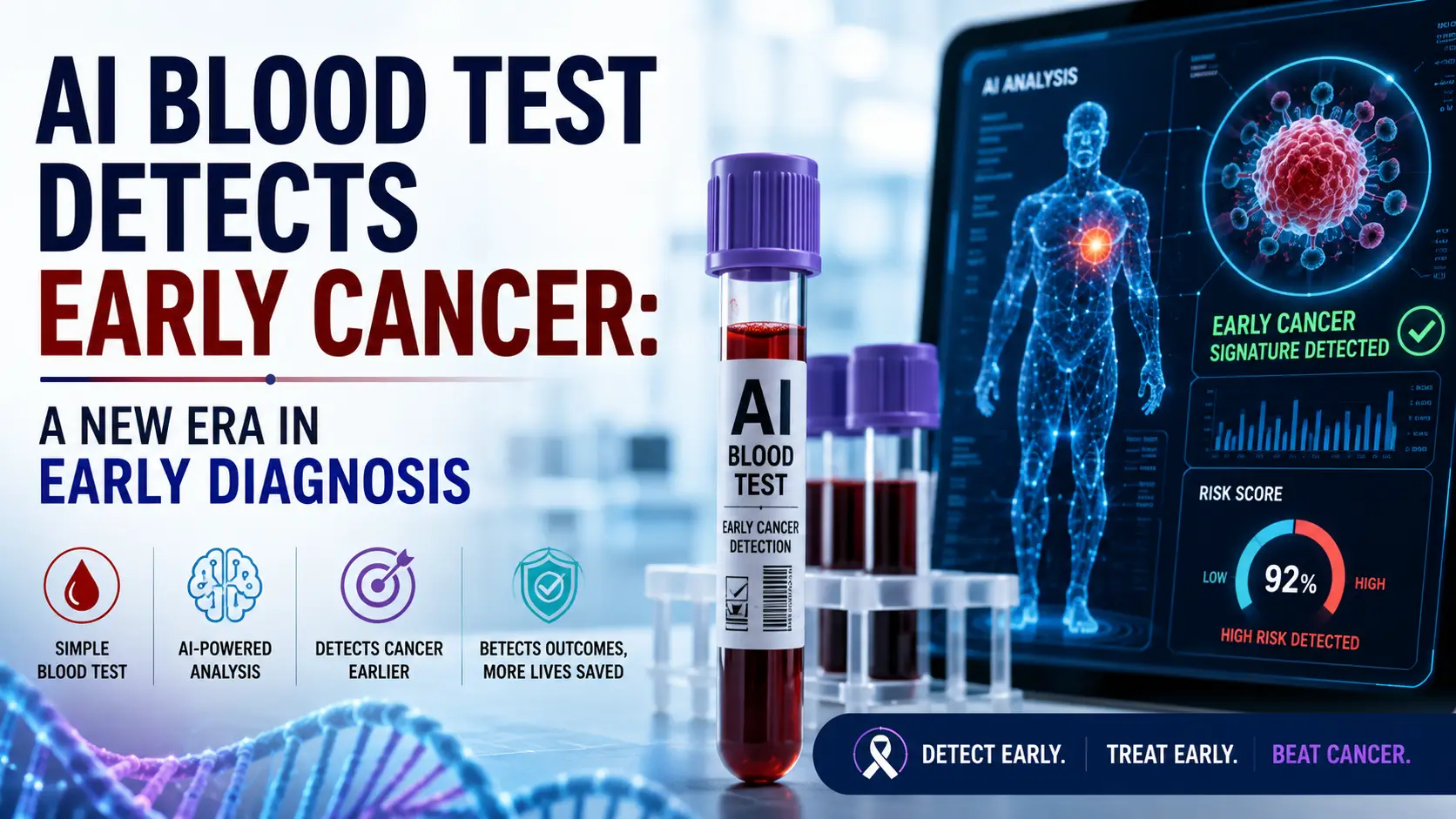
  • AI Blood Test Detects Early Cancer: A New Era in Early Diagnosis

    AI Blood Test Detects Early Cancer: A New Era in Early Diagnosis

    Artificial intelligence is transforming cancer detection, and one of the most promising breakthroughs is the development of AI-powered blood tests capable of identifying cancer at its earliest stages. These advanced tests analyze tiny fragments of DNA, proteins, and other biomarkers circulating in the bloodstream, allowing doctors to detect signs of cancer before symptoms appear.

    Researchers believe this technology could significantly improve survival rates by enabling earlier diagnosis and faster treatment, potentially changing the future of cancer screening worldwide.

    How the AI Blood Test Works

    Unlike traditional cancer screening methods that often focus on a single organ, AI blood tests examine a simple blood sample for biological signals associated with multiple types of cancer.

    The test combines advanced laboratory techniques with artificial intelligence algorithms that analyze:

    • Cell-free DNA (cfDNA)
    • Circulating tumor DNA (ctDNA)
    • DNA methylation patterns
    • Proteins and other biomarkers
    • Genetic mutations linked to cancer

    The AI system compares these patterns with millions of data points from previous patients to identify abnormalities that may indicate cancer.

    Detecting Cancer Before Symptoms

    One of the biggest advantages of AI-based blood tests is their ability to detect cancer long before symptoms develop.

    Many cancers, including pancreatic, ovarian, liver, lung, and colorectal cancer, often remain unnoticed until they reach advanced stages. Early detection dramatically increases treatment options and improves survival rates.

    Researchers hope AI blood tests will eventually become part of routine health check-ups, helping identify cancers when they are still highly treatable.

    Multiple Cancers From One Sample

    Unlike conventional screening tests, which usually detect only one specific cancer, many AI blood tests are designed to identify dozens of different cancer types simultaneously.

    Current research has focused on detecting cancers such as:

    • Breast cancer
    • Lung cancer
    • Colorectal cancer
    • Liver cancer
    • Pancreatic cancer
    • Ovarian cancer
    • Stomach cancer
    • Prostate cancer

    Some experimental tests can also predict the most likely organ where the cancer originated, helping doctors decide which diagnostic scans should be performed next.

    The Role of Artificial Intelligence

    Artificial intelligence is essential because the biological changes associated with early cancer are often too subtle for traditional analysis.

    Machine learning models are trained using enormous datasets containing blood samples from both healthy individuals and cancer patients. Over time, these algorithms learn to recognize extremely complex molecular patterns that may indicate disease.

    As more clinical data become available, AI systems continue to improve their accuracy and reduce false-positive and false-negative results.

    Benefits Over Traditional Screening

    AI blood tests offer several advantages over conventional screening methods.

    These include:

    • Simple blood sample collection
    • Earlier detection of cancer
    • Ability to detect multiple cancers at once
    • Less invasive than tissue biopsies
    • Faster laboratory analysis
    • Potential for routine population screening

    Because the test requires only a blood sample, it may also improve participation among people who avoid invasive procedures such as colonoscopy or tissue biopsy.

    Current Challenges

    Although the technology is highly promising, experts caution that AI blood tests are still evolving.

    Several challenges remain before they become routine healthcare tools:

    • Large-scale clinical validation
    • Ensuring consistent accuracy across different populations
    • Reducing false-positive results
    • Determining cost-effectiveness
    • Regulatory approvals in different countries

    Doctors also emphasize that a positive blood test does not confirm cancer. Additional imaging tests and biopsies are still required to establish a definitive diagnosis.

    Future of Cancer Screening

    Researchers believe AI blood testing could become one of the biggest advances in cancer detection over the next decade. Instead of waiting for symptoms to appear, healthcare systems may eventually use annual blood screening to identify cancers at their earliest stages.

    Scientists are also exploring whether AI can monitor cancer recurrence after treatment, assess treatment response, and personalize therapies based on molecular changes detected in blood.

    As artificial intelligence continues to evolve, its integration with precision medicine is expected to improve both diagnosis and patient outcomes.

    A Major Step Toward Earlier Detection

    AI-powered blood tests represent a significant breakthrough in modern cancer research. By combining advanced molecular biology with machine learning, these tests offer the possibility of detecting cancer earlier than ever before using only a simple blood sample.

    While more clinical studies and regulatory approvals are still needed, the technology has the potential to transform cancer screening by making early detection faster, less invasive, and more accessible. If successfully implemented on a large scale, AI blood tests could save countless lives through earlier diagnosis and timely treatment, marking a new chapter in the global fight against cancer.

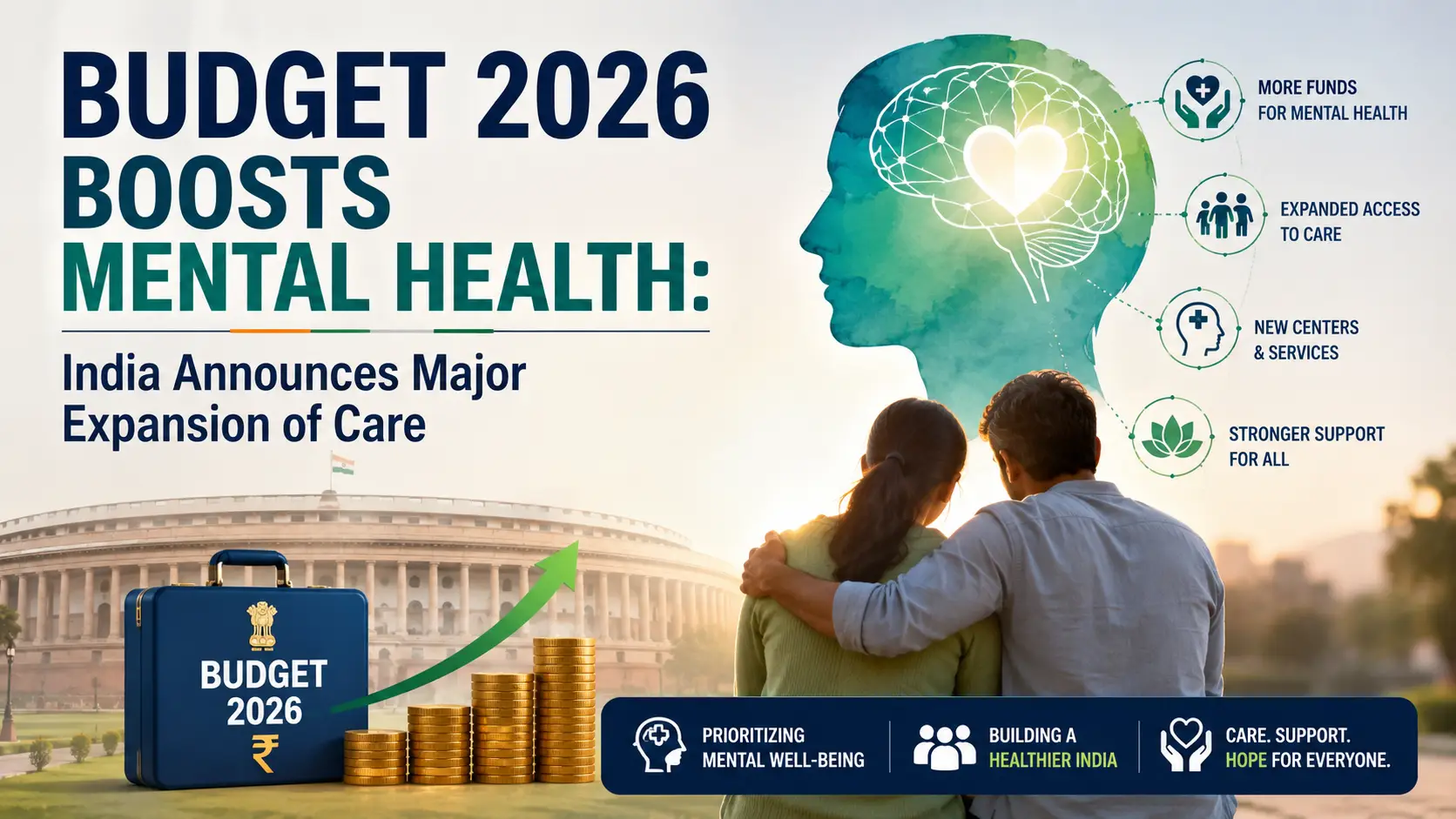
  • Budget 2026 Boosts Mental Health: India Announces Major Expansion of Care

    Budget 2026 Boosts Mental Health: India Announces Major Expansion of Care

    Mental health emerged as one of the standout healthcare priorities in the Union Budget 2026-27, with the Government of India announcing a significant expansion of mental healthcare infrastructure. The budget introduces new institutions, upgrades existing facilities, and aims to improve access to quality psychiatric care, particularly in underserved regions of the country.

    The announcement reflects growing recognition that mental health is an essential component of public healthcare. Rising cases of anxiety, depression, stress-related disorders, substance abuse, and suicide have highlighted the urgent need for stronger mental health services. Through Budget 2026, the government seeks to bridge longstanding gaps in infrastructure and specialist care while making mental health services more accessible for millions of Indians. (Press Information Bureau)

    Mental Health Takes Centre Stage

    For the first time, mental healthcare received dedicated attention as a major healthcare priority during the Union Budget presentation. Finance Minister Nirmala Sitharaman announced plans to strengthen India’s mental health ecosystem by expanding national institutions and improving regional access to specialised treatment.

    A key announcement is the establishment of NIMHANS 2.0, a new national-level mental healthcare institute in North India. The government also announced the upgradation of the National Mental Health Institutes in Ranchi and Tezpur into regional apex centres to improve access to advanced psychiatric care outside southern India. (Press Information Bureau)

    Why the Expansion Is Important

    Mental health experts have long pointed out that India faces a severe shortage of psychiatrists, psychologists, psychiatric nurses, and mental health facilities. Large sections of the population, particularly in rural and semi-urban areas, have limited access to specialised treatment.

    Until now, the National Institute of Mental Health and Neurosciences (NIMHANS) in Bengaluru has served as India’s premier mental healthcare institution. However, patients from northern and eastern states often travel long distances to receive advanced treatment.

    The new institutions announced in Budget 2026 are expected to reduce regional disparities by bringing specialised services closer to millions of people. (Wikipedia)

    Improving Healthcare Infrastructure

    The Budget focuses on strengthening mental healthcare infrastructure rather than only increasing financial allocations. The proposed expansion includes:

    • Establishment of NIMHANS 2.0 in North India.
    • Upgrading Ranchi and Tezpur mental health institutes into regional centres of excellence.
    • Expansion of emergency and trauma care facilities linked with district hospitals.
    • Improved training capacity for psychiatrists and mental health professionals.
    • Better access to specialised diagnosis and treatment services across multiple regions. (Press Information Bureau)

    Health experts believe these measures can help reduce waiting times, improve treatment quality, and expand specialist availability across the country.

    Addressing India’s Mental Health Burden

    India continues to face a significant mental health burden, with millions of people living with depression, anxiety disorders, bipolar disorder, schizophrenia, and substance-use disorders. Despite growing awareness, treatment gaps remain high because of stigma, lack of awareness, and limited healthcare infrastructure.

    Many patients delay seeking medical help due to fear of discrimination or because specialised services are unavailable in their district. The Budget’s emphasis on expanding institutional capacity aims to improve both accessibility and quality of care.

    The government’s approach also supports long-term research, professional training, and community outreach programmes designed to encourage early diagnosis and timely treatment. (Press Information Bureau)

    More Than Just Hospitals

    Experts say expanding hospitals alone will not solve India’s mental health challenges. Public awareness, school counselling, workplace wellness programmes, tele-mental health services, and community-based interventions will remain equally important.

    Digital mental healthcare initiatives, counselling helplines, and integration of mental health services into primary healthcare are expected to complement the new institutional infrastructure over the coming years. Combined with improved training for healthcare workers, these measures could significantly strengthen India’s overall mental healthcare system. (Press Information Bureau)

    Challenges That Still Remain

    While the Budget announcements have been widely welcomed, experts caution that infrastructure expansion must be supported by adequate staffing, funding, and implementation. Several states continue to experience shortages of psychiatrists, clinical psychologists, psychiatric social workers, medicines, and specialised equipment.

    Recent audit findings in some states have highlighted persistent gaps in public mental healthcare, reinforcing the need for sustained investment beyond infrastructure alone. (The Times of India)

    A Positive Step Forward

    The Union Budget 2026 marks an important shift in India’s approach to mental healthcare by recognising mental well-being as a national healthcare priority. The creation of new institutions, regional expansion of specialist services, and investment in healthcare infrastructure demonstrate a stronger commitment to addressing one of the country’s most pressing public health challenges.

    Although improving mental health outcomes will require continued investment, trained professionals, and greater public awareness, the Budget lays a stronger foundation for expanding access to quality psychiatric care. If implemented effectively, these initiatives could help millions of Indians receive earlier diagnosis, better treatment, and improved long-term mental well-being while reducing the country’s longstanding mental healthcare gap. (Press Information Bureau)

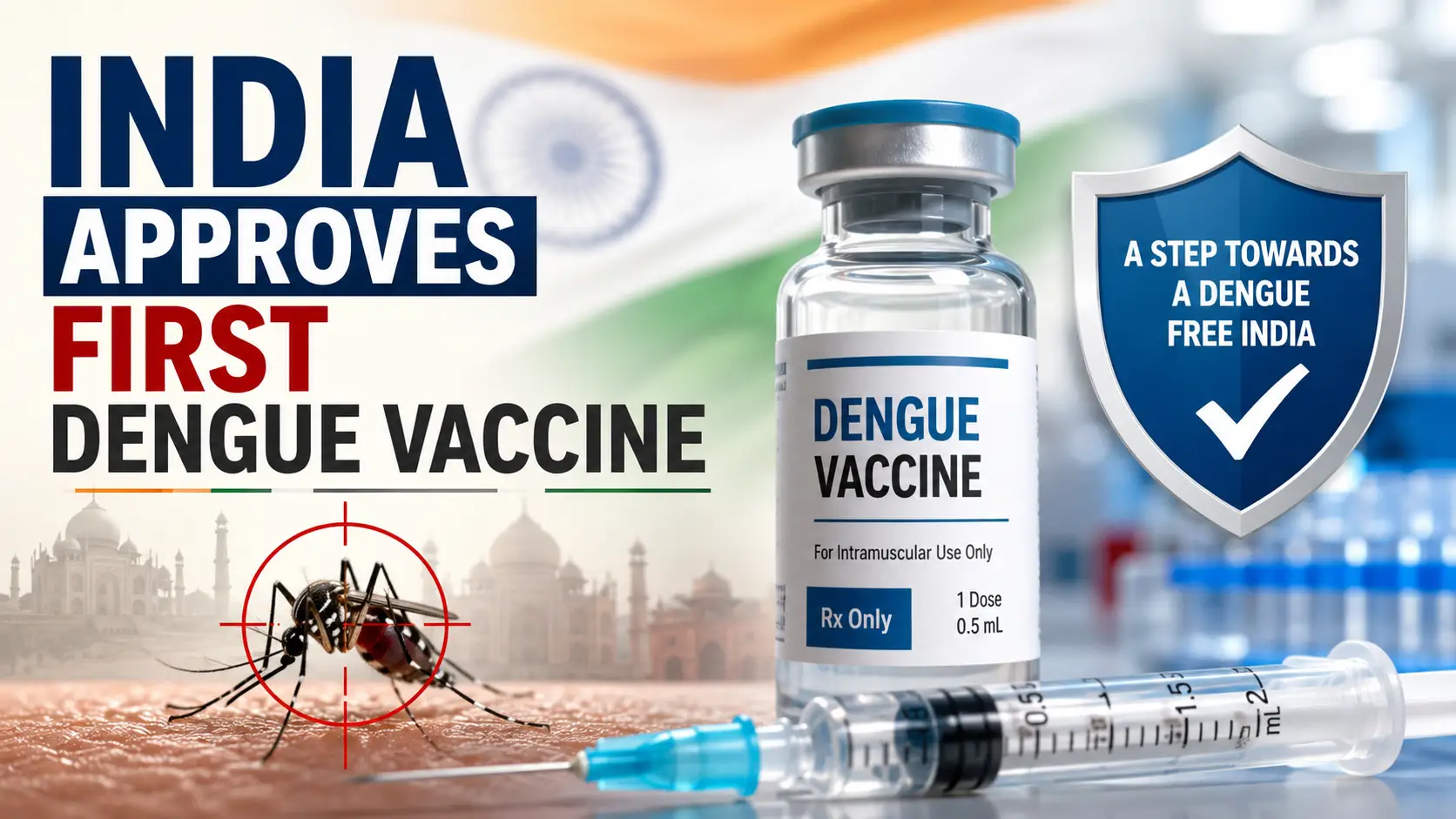
  • India Approves First Dengue Vaccine

    India Approves First Dengue Vaccine

    India has taken a major step in the fight against dengue by approving its first indigenous dengue vaccine for adults. The approval marks a significant milestone for the country’s healthcare system, offering a new preventive tool against one of the fastest-growing mosquito-borne diseases. Every year, millions of people across India are at risk of dengue, with outbreaks becoming more frequent due to rapid urbanisation, changing weather patterns, and expanding mosquito habitats.

    The approval by the Drug Controller General of India (DCGI) follows years of research, clinical development, and extensive safety evaluations. Public health experts believe the vaccine could play an important role alongside mosquito control programmes and early disease surveillance in reducing the burden of dengue across the country.

    What Makes the Vaccine Significant

    The newly approved vaccine is India’s first domestically developed dengue vaccine. It has been designed to protect against all four known serotypes of the dengue virus—DENV-1, DENV-2, DENV-3, and DENV-4. This broad protection is particularly important because infection with one dengue serotype does not provide long-term immunity against the others.

    A second infection caused by a different serotype can sometimes result in more severe disease, including dengue haemorrhagic fever or dengue shock syndrome. By targeting all four serotypes, the vaccine aims to provide balanced immune protection and reduce the risk of severe illness.

    The vaccine uses a live-attenuated technology, which contains weakened forms of the virus that stimulate the body’s immune system without causing the disease. Similar technology has been successfully used in several vaccines around the world for decades.

    Clinical Trials Show Promising Results

    Before receiving regulatory approval, the vaccine underwent multiple phases of clinical testing across India. Phase III clinical trials included thousands of healthy adult volunteers aged between 18 and 60 years.

    According to the clinical data submitted to Indian regulators, the vaccine generated strong neutralising antibody responses against all four dengue virus serotypes while maintaining a favourable safety profile. Most reported side effects were mild and temporary, including soreness at the injection site, low-grade fever, and fatigue.

    One of the key advantages highlighted during the review process is that the vaccine has demonstrated safety without requiring individuals to undergo pre-vaccination screening for previous dengue infection. Earlier international dengue vaccines faced challenges because some required blood tests before administration, making large-scale vaccination campaigns more complicated. Removing this requirement could simplify public health implementation in India.

    Why Dengue Remains a Major Challenge

    Dengue is transmitted by the Aedes aegypti mosquito, which breeds in clean, stagnant water commonly found around homes, construction sites, and urban environments. The mosquito is active during daylight hours, making prevention difficult in densely populated cities.

    India experiences seasonal dengue outbreaks almost every year, particularly during and after the monsoon season. States such as Kerala, Maharashtra, Tamil Nadu, Karnataka, West Bengal, and Delhi regularly report high numbers of infections. Climate change, increasing temperatures, and irregular rainfall patterns have also extended mosquito breeding seasons in many regions.

    Although many dengue infections remain mild, severe cases can lead to internal bleeding, organ damage, and even death if not treated promptly. There is currently no specific antiviral treatment for dengue, making prevention one of the most effective public health strategies.

    Benefits of Indigenous Manufacturing

    The vaccine has been developed and manufactured within India, reducing dependence on imported products and strengthening domestic vaccine production capacity. Indigenous manufacturing is expected to improve affordability and ensure a more reliable supply during periods of increased demand.

    Lower production costs may also help state governments include the vaccine in targeted immunisation programmes for high-risk populations if future policy recommendations support wider use.

    Local production provides another advantage by allowing faster scale-up during major outbreaks, helping health authorities respond more effectively to sudden increases in dengue cases.

    Vaccination Is Not a Complete Solution

    Health experts emphasise that vaccination alone cannot eliminate dengue. Mosquito control measures will continue to play a critical role in preventing transmission.

    People should continue removing stagnant water from around their homes, covering water storage containers, using mosquito repellents, installing window screens, and wearing protective clothing during mosquito-active hours.

    Public awareness campaigns, rapid diagnosis, and early medical treatment remain essential components of India’s dengue control strategy. Combining vaccination with these preventive measures offers the greatest opportunity to reduce infections and severe disease.

    Future Plans for Children

    The current approval applies only to adults who meet the approved age criteria. Researchers are continuing studies involving children and adolescents to evaluate the vaccine’s safety and effectiveness in younger age groups.

    If these studies produce positive results, health authorities may consider expanding approval in the future. A successful paediatric programme could significantly strengthen India’s long-term dengue prevention strategy because children often experience more severe complications from dengue infection.

    A New Chapter in Dengue Prevention

    The approval of India’s first indigenous dengue vaccine represents a historic achievement for Indian medical research and public health. While it is not a standalone solution, it provides a valuable new layer of protection against a disease that affects millions every year.

    As dengue continues to challenge healthcare systems across tropical and subtropical regions, the combination of vaccination, improved disease surveillance, mosquito control, and public awareness could substantially reduce the impact of future outbreaks. India’s investment in homegrown vaccine research also highlights the country’s growing capability to develop innovative solutions for infectious diseases, paving the way for stronger health security in the years ahead.